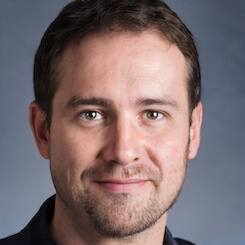
Steven Peskin MD's blog
A Tribute to Dr. John Sarno
At age 89, Dr. John Sarno has retired from his clinical practice at the Howard A. Rusk Institute of Rehabilitation Medicine at New York University School of Medicine where he is a professor of rehabilitation medicine. I consider John a friend, a thought-creator in the field of mind body medicine, and someone to whom I owe a profound debt of gratitude in that my wife, Suzanne, was cured of seven years of debilitating back pain by embracing the etiology of her pain as psychologically based.
Dr. Sarno developed his theory — Tension Myositis Syndrome — after more than a decade in practice as a physical medicine and rehabilitation physician in academic medicine. He observed patterns of behavior and personality traits that were shared by large numbers of patients with back pain and other pain syndromes.
Dr. Sarno’s controversial approach to back pain, other types of chronic musculoskeletal pain — neck, shoulder, infrascapular — and other pain syndromes including migraine and carpal tunnel syndrome, is a two-part lecture to educate patients on the underlying psychological causes or triggers leading to mild oxygen deprivation to certain muscle groups. His mantra is, “The pain is real, but the cause of your pain is not.”
John has successfully treated over 12,000 patients and has helped countless others who have read one of his four books —"The Mind-Body Connection" — or who have been treated by a handful of Sarno disciples. A criticism of Sarno’s self-reported success rate of greater than 95% is selection bias. It is true that Dr. Sarno would not take as a patient someone who was unwilling to accept that his/her pain might be psychologically based. That said, I argue that John was ahead of his time — utilizing individualized medicine.
Thank you, John.
Steven R. Peskin, MD, MBA, FACP, is associate clinical professor of medicine at the University of Medicine and Dentistry of New Jersey — Robert Wood Johnson Medical School.
Less is More
On April 4, the American Board of Internal Medicine Foundation launched Choosing Wisely, a campaign to educate health care professionals and consumers about tests or procedures that should be questioned because of lack of evidence that they’re needed and/or because of evidence that says the tests or procedures should not be done in the context that is delineated. http://www.abimfoundation.org/.
The ABIMF did this in collaboration with nine medical professional societies — the American Academy of Allergy, Asthma & Immunology; the American Academy of Family Physicians; the American College of Cardiology; the American College of Physicians; the American College of Radiology; the American Gastroenterological Association; the American Society of Clinical Oncology; the American Society of Nephrology; and the American Society of Nuclear Cardiology. Consumer Reports is also involved with this campaign to reach a broad consumer audience.
This initiative marks an important milestone. Historically, most medical professional societies have advocated more, not less. Each of the nine organizations involved in Choosing Wisely is explicitly recommending that many commonly ordered tests and procedures that are routinely done in a particular situation not be routinely done. Three representative examples:
- Don’t do imaging for uncomplicated headaches (American College of Radiology)
- Don’t do screening exercise electrocardiogram testing in individuals who are asymptomatic and at low risk for coronary artery disease (American College of Physicians)
- Do not repeat colorectal cancer screening (by any method) for 10 years after high quality colonoscopy is negative in average risk individuals (American Gastroenterological Association)
The mantra of “less is more” is one that has been largely overwhelmed by campaigns spouting that “more is better” when it comes to health care related testing and services. Think about the conventional lexicon as it relates to medical testing and procedures: “The doctor gave me....” or, “I was given….” Negative potential health consequences — for example the considerable radiation exposure with CT scanning — as well as cost consequences, are often underappreciated. Eight more medical professional societies have stated that they will join this campaign. Keep up the good, and much needed, work!
Steven R. Peskin, MD, MBA, FACP, is associate clinical professor of medicine at the
University of Medicine and Dentistry of New Jersey — Robert Wood Johnson Medical School.
The Nuka Way
One of the four 2011 Malcolm Baldridge National Quality Award winners in health care is Southcentral Foundation, a nonprofit organization established in 1982 to serve Alaska Natives who live in and around Anchorage. The Southcentral Foundation (SCF) describes itself as a Nuka system of care — Nuka being an Alaska native name given to strong, honorable structures or living things. The four guiding principles of the Southcentral Foundation are that it be customer-driven, that customers (patients) should know and trust the health care team, that customers should face no barriers to access care, and that employees are vital to system success. SCF has achieved the highest level of recognition of Patient-Centered Medical Home from NCQA.
The system has achieved remarkable results that include clinical improvement in patients with chronic conditions, notably diabetes, which is experienced in the native population at twice national rates; wellness and preventive services; emotional and social health; and dental care. These remarkable quality results have occurred with concurrent reductions in services: Emergency room and urgent care visits are 50% lower, hospital admissions decreased 53%, specialty care declined 65% and even primary care visits decreased 36%.
I believe clinical, operational, and service performance are central to SCF’s outstanding performance. One characteristic is the attainment of trust. The erosion of trust in our health care system and the profound negative consequences that erode quality and drive up costs are well described in David Shore’s book, The Trust Crisis in Healthcare.
Another characteristic is team-based care. Southcentral Foundation very effectively uses a wide range of clinicians and other staff to meet the needs of customers (patients). And finally, it is a learning organization undergirded by an information system that allows for real-time assessment of clinical, operational, and service performance
Though Alaska is geographically, culturally, and demographically distinct from the lower 48, the performance achieved by Southcentral Foundation there should translate to other communities.
Steven R. Peskin, MD, MBA, FACP, is medical director of Horizon Healthcare Innovations, Horizon Blue Cross Blue Shield of New Jersey, and associate clinical professor of medicine at the University of Medicine and Dentistry of New Jersey — Robert Wood Johnson Medical School.
Find and Fill: Gaps in Care
So many gaps, so little time.... That would be a ready conclusion from the extensive body of literature on gaps in patient care, medical errors, and patient safety. A recently released in-depth report from the American Medical Association, Research in Ambulatory Patient Safety, chronicles gaps related to diagnostic, laboratory, clinical knowledge, communication, and administrative (potential) errors. The possible combinations among these five domains is extensive. The report highlights the measurement activities of the Agency for Healthcare Research and Quality, CMS’s Physician Quality Reporting Initiative, the National Committee for Quality Assurance, the National Quality Forum, Meaningful Use Clinical Quality Measures, and the Joint Commission for Accreditation of Healthcare Organizations’ Patient Safety Goals.
At the risk of oversimplification, it strikes me that two prescriptions for improvement would address the great majority of gaps. First, knowledge- or evidence-related gaps in diagnostic, laboratory, medication, and clinical integration could be substantially enhanced through clinical decision-support tools. The ease of use, the availability of a myriad of hardware options, and the choice of software and cloud-based configurations make this completely achievable. Physicians and other clinicians should not feel threatened by "Watson" but should embrace the power of artificial intelligence / peripheral brains to free up their neurons to take advantage of machines’ mastery of data retrieval and information integration.
Second, reinvigorating and revitalizing health care encounters through patient/ clinician interactions that are thoughtful, with focused but unpressured conversation, will go a long way to address the remaining gaps and errors. Leaders in medical education, policy makers, and payers must work to see that these skills are taught, acknowledged and rewarded.
Steven R. Peskin, MD, MBA, FACP, is medical director of Horizon Healthcare Innovations, Horizon Blue Cross Blue Shield of New Jersey, and associate clinical professor of medicine at the University of Medicine and Dentistry of New Jersey — Robert Wood Johnson Medical School.
Parsimonious Care, in the Best Sense
The following paragraph is from the American College of Physicians Ethics Manual, 6th Edition:
“Physicians have a responsibility to practice effective and efficient health care and to use health care resources responsibly. Parsimonious care that utilizes the most efficient means to effectively diagnose a condition and treat a patient respects the need to use resources wisely and to help ensure that resources are equitably available. In making recommendations to patients, designing practice guidelines and formularies, and making decisions on medical benefits review boards, physicians' considered judgments should reflect the best available evidence in the biomedical literature, including data on the cost-effectiveness of different clinical approaches. When patients ask, they should be informed of the rationale that underlies the physician's recommendation.“
With synonyms for parsimonious that include miserly, stingy, and frugal, it is no surprise that this word choice evoked some criticism. The preponderance of the Ethics Manual advocates that the physician’s primary obligations and duties are to the patient, exercising beneficence, confidentiality, and honesty, with the best interest of the patient being paramount. The paragraph above is a small, but important, segment of the Ethics Manual.
While we might reasonably debate word choice, my view is that the College made the right call to highlight our vital need for physicians to recognize their role and responsibilities related to efficient and effective clinical practice. One microcosm in medicine that is an instructive example is antibiotic stewardship. We have seen the adverse clinical and, to a lesser extent, economic consequences of injudicious overuse of antibiotics. It is time for judiciousness with a dose of parsimony.
Steven R. Peskin, MD, MBA, FACP, is medical director of Horizon Healthcare Innovations, Horizon Blue Cross Blue Shield of New Jersey, and associate clinical professor of medicine at the University of Medicine and Dentistry of New Jersey–Robert Wood Johnson Medical School.Just Say "No"
A visit to my dental hygienist this week began with a conversation about diagnostic tests. Before the dental x-rays, I asked Dottie if I needed x-rays, and she replied that it had been 18 months, and, based on my age and past dental history, every year to two years was a reasonable interval. Not wanting to debate this point before confronting the Cavitron, I accepted that rationale.
Before Dottie began her assault on my plaque, she described her own interactions with physicians. She said that she sometimes questions her physicians or those of her children about the need for x-rays, blood tests, and antibiotics. She said that simply asking “Do I — or does my child — need this test or antibiotic?” led to the physician often not ordering the test or prescribing the antibiotic.
A favorite tech term, “convergence,” might be applied to our overuse and misuse of diagnostic testing and antibiotic prescribing with concomitant adverse economic, and sometimes adverse health, consequences. The convergence of forces or factors includes ready availability of tests and antibiotics, the relative noninvasive nature of most tests, patient expectation (Dottie being in the minority in my estimation and in my experience), defensive medicine, expedience (using tests to substitute for more questioning in greater depth, examination, time spent thinking), and reimbursement.
One recent estimate of the cost of unnecessary testing, by a former Congressional Budget Office director, was staggeringly high — $700 billion.
http://personalmoneynetwork.com/moneyblog/2011/08/16/unnecessary-medical...
It’s a tough problem. “Just say no” is the contentious, no-win position that payers were asked to take by purchasers beginning in the 1980s. Part of the health care reform that we need, that can work: reshaping consumer attitudes and understanding toward the Dottie healthy-questioning orientation, reforming reimbursement methods, and reforming tort statutes. This will help to provide a framework for clinicians to best use their training, time, and judgment.
Steven R. Peskin, MD, MBA, FACP
is executive vice president and chief medical officer
of MediMedia, USA, which publishes Managed Care
Harden Hearts
This post is not about coronary artery disease. Nor is it about the
“stiff” ventricles in diastolic heart failure.
Like “Never Rest”, which I posted several weeks ago, this brief discussion was inspired by Saturday morning Torah study. “Harden Heart” refers to the Pharaoh at the time of Moses and the Exodus from Egyptian slavery. What struck me from our discussion on Saturday morning that relates to health plans and health benefits is that those of us who have responsibility/authority over what is reimbursed, or not, how it is reimbursed, and at what level are — metaphorically — in a parallel role to the Higher Power in the Torah passage. Those whom the purchasers and payers are influencing, or who are on the receiving end of attempts at influence by the purchaser or payer are, metaphorically, in the position of Pharaoh (No implication or suggestion intended about virtue or lack thereof on either side of this analogy!). They are employees, plan members, health care professionals and facilities, ancillary providers, and any other entities that are being paid for services.
In the story, it takes many sticks (no carrots) to ultimately influence Pharaoh to free the Jews. The question that we discussed and debated is to what degree God hardened Pharaoh’s heart and to what degree did Pharaoh, using free will, refuse to set the slaves free even in the face of punitive actions — the plagues.
And in health care, we use sticks too, but also carrots, to influence patients. People who are managing care are involved in plan design that employs disincentives like higher premiums for people using tobacco products or greater cost sharing for certain services or products, and incentives like premium reduction, direct payment, or any of a panoply of other methods of encouraging the desired health outcomes. Are these patients acting with free will, or have we hardened their hearts?
And the same question can be asked of managed care’s dealings with providers. With respect to reimbursement of health care professionals, facilities, ancillary providers, devices, and medications, the purchaser and payer decision-makers may inadvertently harden hearts toward behaviors that are not achieving better, more affordable care. But the providers, using their free will, may resist or, it is to be hoped, see the incentives and disincentives as movement toward better, more affordable care.
We must critically and thoughtfully analyze the impact of our decisions that are intended to influence or shape behavior, course-correct for unintended negative consequences, sharpen and refine interventions that are effective, and appreciate that competing influences, rewards, or disincentives will invariably muddy the waters.
Steven R. Peskin, MD, MBA, FACP
executive vice president and chief medical officer
of MediMedia, USA, which publishes Managed Care
It's Just That Simple
After grand rounds this morning at the University Medical Center at Princeton, the director of the recently created transitional care program, Kathleen H. Seneca, MSN, was speaking with one of our nephrologists about the purpose of the program. It fills the transitional gap for people discharged from the hospital that do not qualify (in terms of reimbursement guidelines) for home care, but would benefit from additional education, care planning, and hands-on instruction.
The director noted that, for example, these patients might learn something as simple as recording daily weight. They might learn what to do in the event of weight gain in a person with congestive heart failure or advanced kidney disease.
Another example is the time-tested “brown bag” visit, whereby the clinician, in this case an advanced practice nurse, reviews medications — when to take them, how to take them — potentially finding duplications, medications that were to be discontinued after discharge, or ones that were to be re-initiated after discharge.
It's about time! To paraphrase the nephrologist, “I can’t tell you how many times a patient is admitted three, four, five or six times a year for the same issue” that was not properly addressed in the transition from hospital to home.
The readers of Managed Care are likely saying, “Tell me something that I don’t already know.” My point: Take action! It really is just that simple.
Steven Peskin, MD, MBA, FACP
Executive Vice President and Chief Medical Officer
of MediMedia, USA, which publishes Managed Care
Occupy the OR
Leaving the gym on an unseasonably warm night, I struck up a conversation in the parking lot with a vascular surgeon acquaintance. He recounted a technically demanding procedure that he had done the day before with a reported 10 percent risk of stroke and a 3 percent mortality risk.
The two-stage procedure was optimally done in one trip to the OR with two surgeons involved in the several-hour two-stage surgeries. My acquaintance commented that his reimbursement and that of his colleague came to about $70 an hour — and that does not include the 90 days of post-op care associated with the reimbursement for the surgery.
In the reimbursement of medical services, complexity abounds: new technologies or the application of existing technology in new ways; the supplanting of one modality for another; efforts to tie reimbursement to performance, outcomes, and/or quality.
This surgeon mentioned that he could have done the two-staged procedure as two separate surgeries and been reimbursed considerably more. I am heartened to know that he did what he perceived to be best for the patient versus his kids’ college fund. He also commented on witnessing interventional internists and surgeons who elected to separate procedures, for example, diagnostic cardiac catheterization followed by PCI, versus completing both in one trip to the cath lab.
Despite the enthusiasm that many of us share for the medical home and other forms of value-based reimbursement, there is still plenty of work to be done to rationalize the blocking and tackling in the still-dominant fee-for-service payment model.
Steven R. Peskin, MD, MBA, FACP is executive vice president and chief medical officer of MediMedia USA, which publishes Managed Care. He is Associate Clinical Professor of Medicine at the University of Medicine and Dentistry of New Jersey–Robert Wood Johnson Medical School
A Quiz: Name That Health Care Model
What do these characteristics bring to mind?
- Flexible appointment scheduling
- Advanced electronic communication
- Care coordination
- Counseling and education
- Electronic prescribing
- Electronic health record with patient portal
If you thought Level 3 Medical Home, you were correct. If you thought retainer (concierge) practice, you would also be correct.
To me, it seems eminently rational for people who have sufficient discretionary income to choose to use it to obtain more rapid access to a personal physician of her/ his choosing through a retainer (concierge) practice. The advantages might be more time spent in conversation (in the office, over the phone, via e-mail or text messaging, in video conferences), more in-depth condition or prevention education, coaching, counseling, and/or less waiting time.
Some in the medical profession have raised the question of the ethics of retainer practices. An excerpt from an Annals of Internal Medicine editorial:
"I am less charitable, however, toward concierge physicians and am surprised by the neutrality with which the medical community has addressed their work. First, each of us has vowed to treat without exception all who seek [our] ministrations,and limiting one's practice to several hundred wealthy patients undermines this tenet of our profession. Even though economic realities and schedule limitations dictate that some physicians maintain a certain payer mix or eventually close their panels to new patients, I am certain that the legendary physicians of our profession would be embarrassed by the criteria some of our colleagues have used in selecting which patients they will and will not see." Ann Intern Med. 2010;152:391392.
http://www.annals.org/content/152/6/391.abstract
"Treat without exception all who seek [our] ministrations" is from the Hippocratic Oath, a poignant ethical pledge believed to have been written in the late 5th century BCE. Our modern reality is that there are many constraints on how clinicians practice, the scope of that practice, where they practice, the patients that they treat, and the machinations of how that care is reimbursed.
As a volunteer faculty physician in a Federally Qualified Health Center, I find this challenge of ensuring adequate access to care to be abundantly evident. My own view: Health care practitioners should dedicate some time to service in situations with wider access, often pro bono, whether the field be medicine, nursing, pharmacy, or allied health professions. This may be difficult or impossible in a retainer medical practice, but that does not preclude service elsewhere.
Retainer practices have their place, but they will only be viable if the clinicians engaged in that model meet or exceed the expectations of their patients by providing a comfortable medical home for them.
It's that rational.
Steven R. Peskin, MD, MBA, FACP is executive vice president and chief medical officer of MediMedia USA, which publishes Managed Care. He is Associate Clinical Professor of Medicine at the University of Medicine and Dentistry of New Jersey–Robert Wood Johnson Medical School